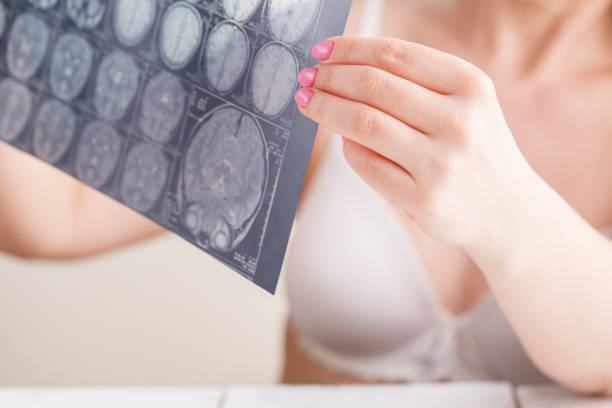

There are more than 50 conditions that can mimic or cause dementia symptoms. A small number of dementias can be reversed. Vitamin B12 deficiency and hypothyroidism are two common causes of dementia. It is crucial to get the correct diagnosis so you can know your options. Symptoms will disappear if the underlying problem has been treated.
Different types of dementia
One of the significant obstacles for families and doctors trying to diagnose dementia is the fact that there are so many types of it. There are more than 50 conditions that can mimic dementia or cause it.
The most severe and complex condition is Alzheimer’s disease. Other causes of irreversible Alzheimer’s include blood vessel disease vascular disease), other degenerative conditions (frontotemporal Lobar Degeneration, Parkinson’s Disease, Huntington’s disease), slow-growing brain tumors or infections of the central nervous system ( Creutzfeldt Jakob disease), AIDS dementia, and neurosyphilis).
Some types of dementia can be treated with medication to improve mental function. In a small number of cases, permanent brain damage can be reversed if treatment is initiated before the disease progresses. It is crucial to notify a doctor if you notice any signs of dementia.
Reversible dementias
Because they often accompany other apparent symptoms, irreversible dementias can be more challenging to diagnose. However, in the following situations or conditions, dementia might be the only or primary symptom. Proper treatment may improve or even restore cognitive functioning.
Although delirium can cause changes in mental functioning that are very similar to dementia, there are two key differences.
The rapidity of onset. Mental changes that occur in delirium can often take place in just a few hours or days. Dementia, however, can take months or even years to develop.
Level consciousness. Delirium is a state in which consciousness fluctuates between alertness and drowsiness. The story of consciousness is not affected by dementia.
Because delirium is often the first manifestation of a sudden, serious illness, a medical emergency is called it. After surgery, delirium can also be a problem in the elderly.
The classic case of delirium is alcohol withdrawal syndrome. Similarly, fever can also occur after abrupt withdrawal from benzodiazepines (a group of anti-anxiety medications that includes Valium, chlordiazepoxide, and Librium).
People sometimes manifest dementia-like symptoms–forgetfulness, disorientation, inattentiveness, and slowed responses–when depressed. Although this pseudodementia may look like the same depression that is often associated with Alzheimer’s disease, there are subtle differences.